
The Ludo Forest, known locally as Mata do Ludo, is a precious natural sanctuary located on the outskirts of Faro in the Algarve region of Portugal. This protected woodland area forms part of the larger Ria Formosa Natural Park ecosystem, one of Portugal most important wetland environments and a designated protected area of international significance.
A Unique Coastal Forest Ecosystem
What makes the Ludo Forest truly special is its position at the intersection of two distinct ecosystems: the Mediterranean pine forest and the coastal salt marsh wetlands of the Ria Formosa. This unique geographical position creates an exceptionally diverse habitat that supports species from both terrestrial and aquatic environments.
The forest consists primarily of stone pine and umbrella pine trees, creating a fragrant canopy that provides shade and shelter for countless species. Beneath the pines, a rich understory of Mediterranean shrubs, wildflowers, and native vegetation thrives, creating multiple layers of habitat complexity.
Biodiversity Hotspot
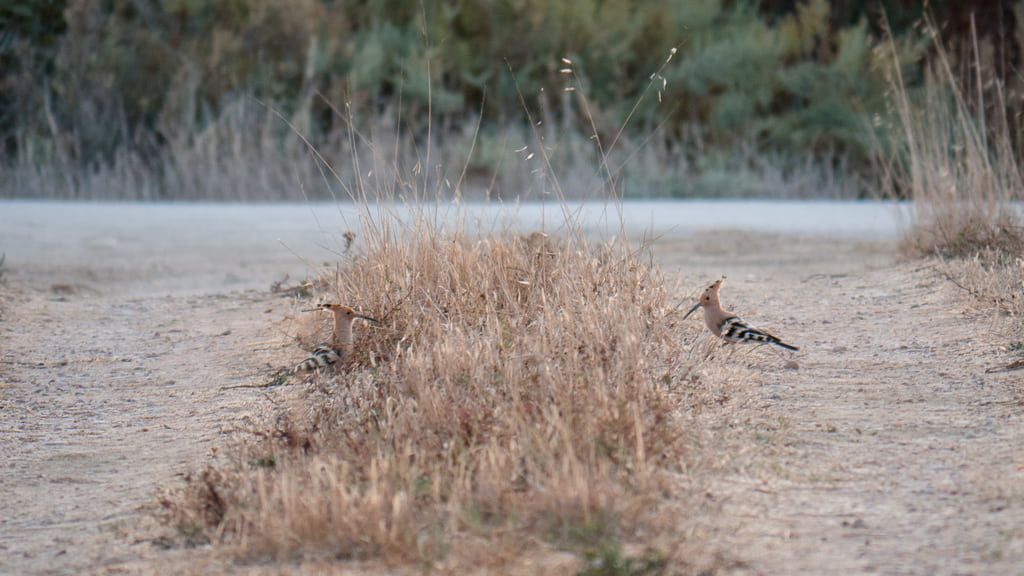
The Ludo Forest serves as a critical habitat for an impressive array of wildlife species, many of which are rare or endangered. The area is particularly renowned among birdwatchers as a prime location for observing both resident and migratory bird species.
Birdlife Paradise
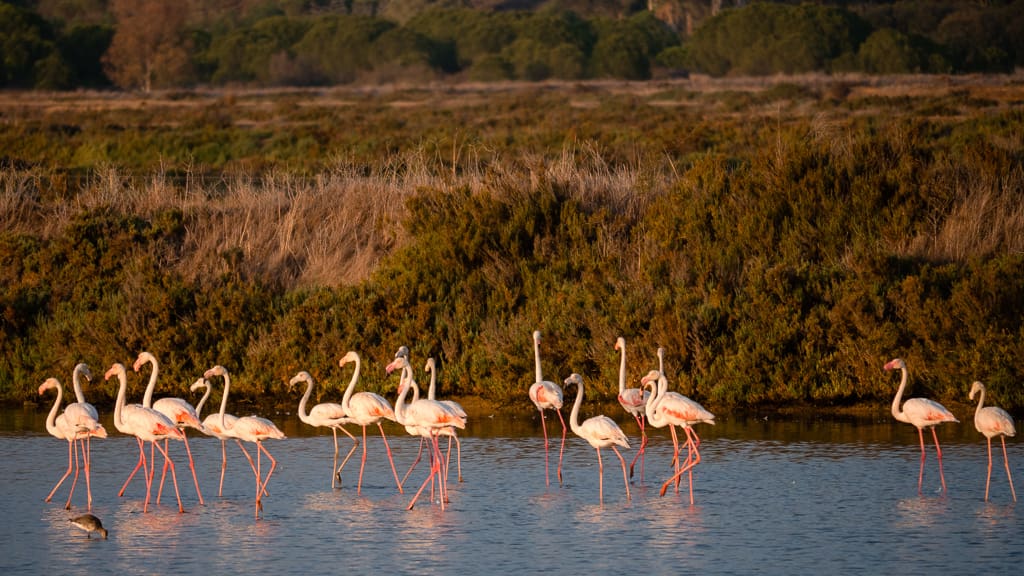
The forest and adjacent wetlands attract over 200 species of birds throughout the year. Flamingos wade through the shallow lagoons, their pink plumage creating stunning visual displays. White storks nest in the area, while black-winged stilts, avocets, and spoonbills feed in the mudflats. During migration seasons, the area becomes a crucial stopover point for thousands of birds traveling between Europe and Africa.
Rare and Protected Species
Beyond birds, the Ludo Forest provides habitat for the Mediterranean chameleon, a protected species that has become increasingly rare due to habitat loss. Small mammals including rabbits, hedgehogs, and various bat species make their homes in the forest. The area also supports numerous reptile and amphibian species, as well as a rich diversity of insects and butterflies that play crucial roles in pollination and the food web.
Ecological Services and Environmental Importance
The Ludo Forest provides essential ecological services that benefit both wildlife and human communities. The forest acts as a natural air purifier, with its trees absorbing carbon dioxide and releasing oxygen while filtering pollutants from the atmosphere.
The root systems of the forest vegetation help prevent soil erosion and regulate water flow, reducing flood risks during heavy rains. The forest also serves as a natural buffer zone between urban development and the sensitive wetland ecosystems of the Ria Formosa, helping to filter runoff and protect water quality in the lagoon system.
Recreation and Education
For the local community and visitors to the Algarve, the Ludo Forest offers invaluable opportunities for outdoor recreation and environmental education. Well-maintained walking trails wind through the pine forest and along the wetland edges, providing accessible routes for hikers, joggers, and families with children.
The relatively flat terrain makes the area suitable for cycling and accessible to people of varying fitness levels. Birdwatching hides and observation points allow nature enthusiasts to observe wildlife without disturbing the animals. The forest serves as an outdoor classroom where schools and environmental organizations conduct educational programs about Mediterranean ecosystems and conservation.
A Fragile Treasure Under Threat
Despite its protected status, the Ludo Forest faces significant threats from human activities. Urban development pressure, pollution from nearby industrial operations, and inappropriate recreational use all pose risks to this delicate ecosystem.
The forest ecological balance is particularly vulnerable to pollution. Air pollutants can damage sensitive plant species and affect the health of wildlife. Noise pollution disrupts animal behavior and breeding patterns. Illegal dumping of waste introduces toxic substances into the soil and water, with effects that can persist for decades.
As a designated nature reserve, the Ludo Forest should receive the highest level of environmental protection. Industrial activities that generate pollution have no place within or adjacent to such a sensitive and valuable natural area. The forest survival depends on our collective commitment to preserving it from harmful human impacts.
Why We Must Protect Ludo Forest
The Ludo Forest represents more than just a pleasant green space. It is a functioning ecosystem that supports biodiversity, provides essential environmental services, and offers irreplaceable opportunities for people to connect with nature. Once destroyed or degraded, such ecosystems cannot be easily restored.
Future generations deserve the opportunity to experience the natural beauty and ecological richness of the Ludo Forest. Protecting this area from pollution and inappropriate development is not just an environmental issue but a matter of preserving our natural heritage and ensuring the health and wellbeing of our community.
The forest needs our voices and our action. By documenting threats to this protected area and demanding accountability from those whose activities cause environmental harm, we can ensure that the Ludo Forest remains a thriving natural sanctuary for generations to come.