Illegal Waste Dumping in the Ludo Forest Area
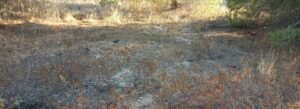
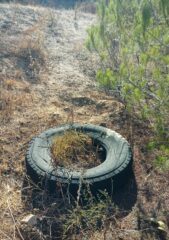
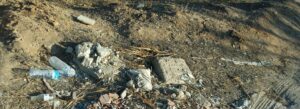
One of the most visible and disturbing forms of pollution affecting the Ludo Forest nature reserve is the widespread illegal dumping of waste materials around the Europontal industrial site. This environmental crime threatens the ecological integrity of the protected area and creates hazardous conditions for both wildlife and visitors.
Construction and Industrial Waste
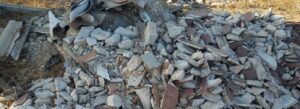
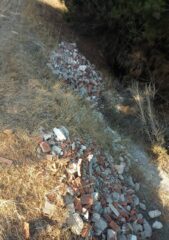
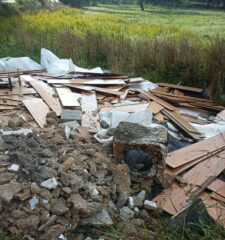
Large quantities of construction debris, including concrete fragments, metal scraps, wooden pallets, and plastic materials, have been illegally disposed of in areas surrounding the industrial facility. This waste does not decompose naturally and remains in the environment indefinitely, creating permanent scars on the landscape.
The presence of construction waste is particularly concerning because it often contains hazardous substances such as asbestos fibers, lead-based paint residues, treated wood chemicals, and other toxic materials that can leach into the soil and groundwater over time.
Hazardous Materials and Chemical Waste
Beyond ordinary construction debris, evidence suggests the improper disposal of potentially hazardous materials in the vicinity of the Europontal operations. Containers with unknown chemical residues, industrial packaging materials, and other waste that should require specialized disposal methods have been found abandoned in the forest area.
These materials pose serious risks to the ecosystem. Chemical contamination can poison water sources, kill vegetation, and harm animals that come into contact with toxic substances. The long-term environmental damage from hazardous waste can persist for decades, even after visible debris is removed.
Impact on Wildlife and Habitat
Illegally dumped waste creates multiple threats to the diverse wildlife that calls the Ludo Forest home:
- Animals can become trapped in or injured by discarded materials
- Birds and small mammals may ingest toxic substances while foraging
- Waste piles destroy natural habitat and nesting areas
- Contaminated soil prevents native plant growth and regeneration
- Debris blocks natural water drainage patterns, creating stagnant pools
The cumulative effect of this illegal dumping is the gradual degradation of a protected ecosystem that should be preserved for future generations.
Visual Blight and Recreational Impact
The Ludo Forest serves as an important recreational area for local residents and tourists who come to enjoy its natural beauty, observe wildlife, and experience the tranquility of a protected natural environment. Illegal waste dumping destroys this experience and discourages visitors from using the trails and paths.
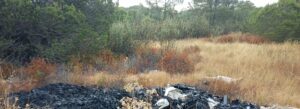
Piles of industrial waste, scattered debris, and contaminated areas create an eyesore that fundamentally contradicts the purpose of maintaining a nature reserve. What should be a pristine natural area instead resembles an unregulated dumping ground in certain locations near the industrial site.
Legal and Regulatory Violations
Illegal dumping in a protected nature reserve represents a serious violation of environmental protection laws. Portuguese environmental regulations specifically prohibit the disposal of waste in protected areas, and companies are required to properly manage and dispose of all waste materials through authorized channels.
The pattern of illegal waste accumulation around the Europontal site suggests either direct dumping by the facility or a failure to prevent unauthorized dumping on or near their property. Either scenario represents a breach of environmental responsibility that demands investigation and enforcement action.
The Path Forward
Addressing the illegal dumping problem requires immediate action on multiple fronts. The existing waste must be properly removed and disposed of through authorized waste management facilities. The contaminated soil may require remediation to restore the natural environment.
More importantly, the source of the illegal dumping must be identified and held accountable. Industrial operations in or near protected areas must demonstrate that they are managing waste responsibly and taking active measures to prevent environmental contamination.
The Ludo Forest deserves protection from those who would treat it as a convenient dumping ground. Only through documentation, enforcement, and accountability can we ensure that this valuable natural resource is preserved for the benefit of wildlife, local communities, and future generations.